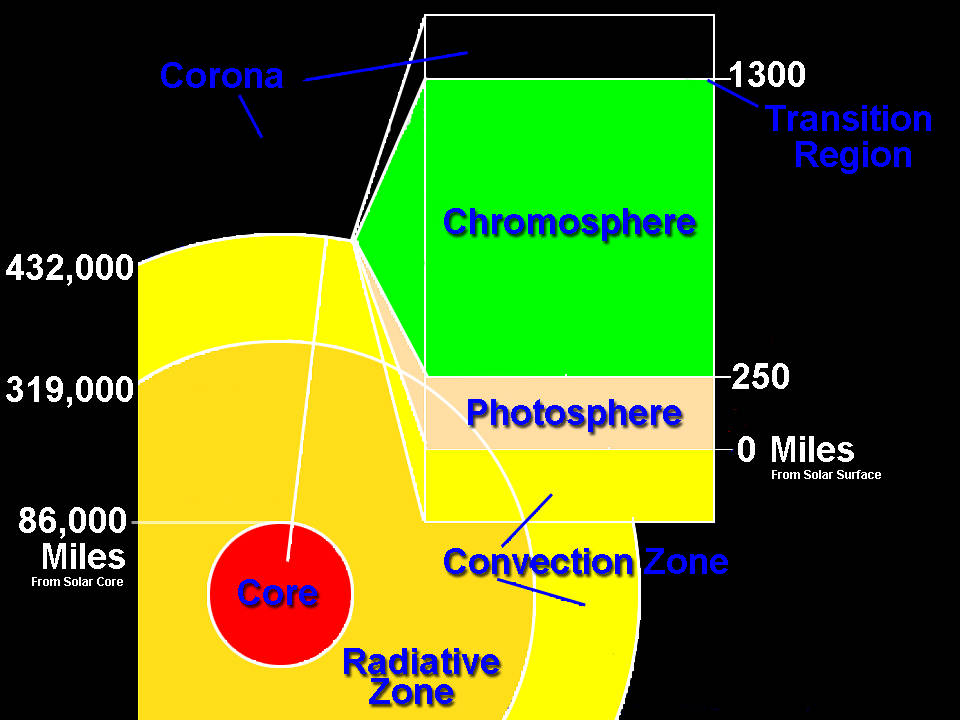
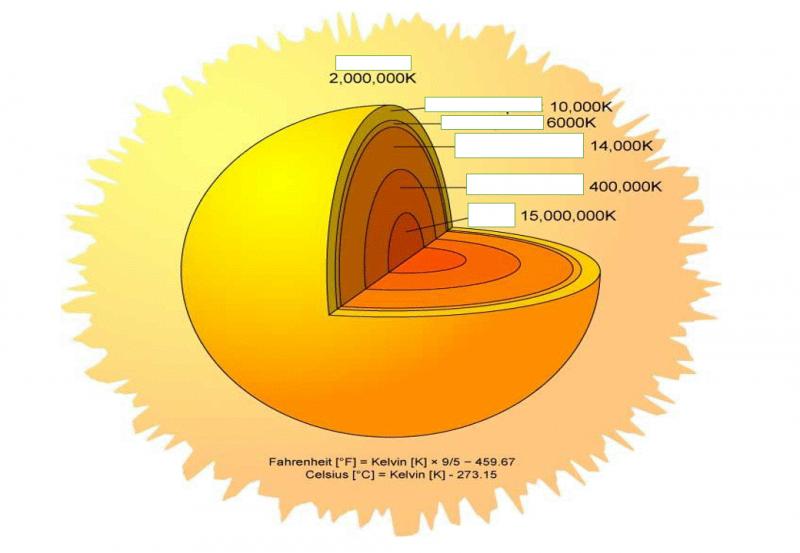
41 label the different areas of the sun.
Position of the Sun - Wikipedia An analemma is a diagram that shows the annual variation of the Sun's position on the celestial sphere, relative to its mean position, as seen from a fixed location on Earth. (The word analemma is also occasionally, but rarely, used in other contexts.) What Are The Layers Of The Sun? - WorldAtlas The layers of the Sun are divided into two larger groups, the outer and the inner layers. The outer layers are the Corona, the Transition Region, the Chromosphere, and the Photosphere, while the inner layers are the Core, the Radiative Zone, and the Convection Zone. The Outer Layers Corona Transition region Chromosphere Photosphere
Parts of the Sun Flashcards | Quizlet Area on the Sun's surface that is cooler and less bright than surrounding areas is caused by the Sun's magnetic field and occur in cycles. Photosphere Lowest layer of the Sun's atmosphere; gives off light and has temperatures of about 6,000K. Chromosphere Layer of the Sun's atmosphere above the photosphere. Prominence

Label the different areas of the sun.
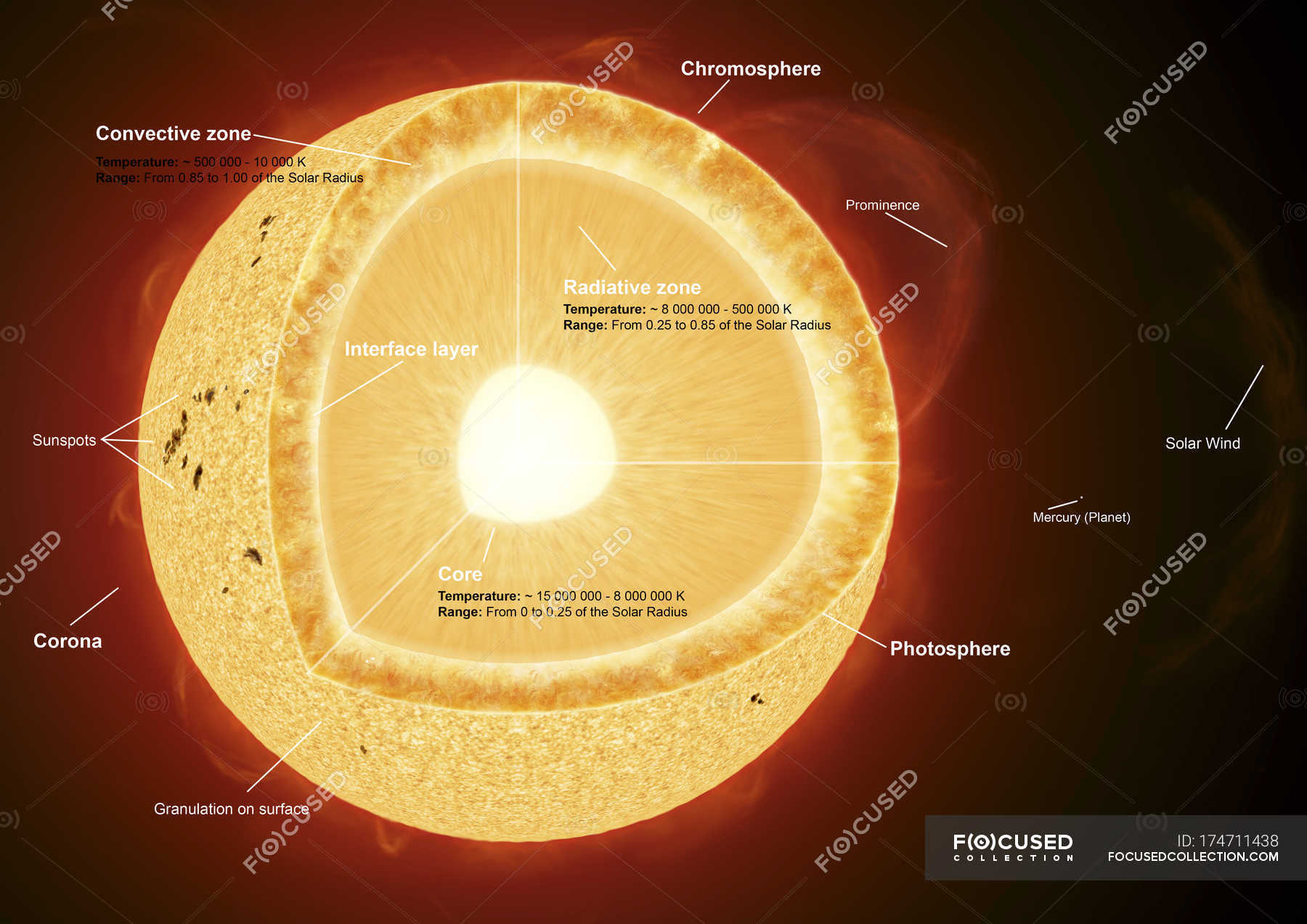
Earth-Sun Relationships | National Geographic Society Any circle drawn around the Earth divides it into two equal halves called hemispheres. There are generally considered to be four hemispheres: Northern, Southern, Eastern, and Western. Grades 6 - 12+ 48 encyclopedic entry Sun Astronomy, Biology, Earth Science, Physics The Structure and Composition of the Sun | Astronomy | | Course Hero Parts of the Sun: This illustration shows the different parts of the Sun, from the hot core where the energy is generated through regions where energy is transported outward, first by radiation, then by convection, and then out through the solar atmosphere. The parts of the atmosphere are also labeled the photosphere, chromosphere, and corona. "Parts" of the Sun | Center for Science Education There are three main parts to the Sun's interior: the core, the radiative zone, and the convective zone. The core is at the center. It the hottest region, where the nuclear fusion reactions that power the Sun occur. Moving outward, next comes the radiative (or radiation) zone.
Label the different areas of the sun.. Layers of the Sun | Parts of the Sun | DK Find Out At the very center is the dense, hot core. Around the core lie two layers: a thick layer called the radiative zone and a thinner, cooler layer called the convective zone. Surrounding all of them is the sun's surface layer, known as the photosphere. Above this lies the sun's thin atmosphere, which is made up of the chromosphere and the corona. Solar Rotation Varies by Latitude | NASA Since the Sun is a ball of gas/plasma, it does not have to rotate rigidly like the solid planets and moons do. In fact, the Sun's equatorial regions rotate faster (taking only about 24 days) than the polar regions (which rotate once in more than 30 days). The source of this "differential rotation" is an area of current research in solar astronomy. PDF The Sun Worksheet - Northland Preparatory Academy Unlike Earth, the sun does not have a solid surface. Like Earth, the sun has an interior and an atmosphere. The sun's interior consists of the core, radiation zone, and convection zone. Each layer has different properties. The sun produces an enormous amount of energy in its core, or central region. The sun's energy comes from nuclear fusion. PDF Parts of the Sun - Montana From the center out, the layers of the sun are as follows: the solar interior which is composed of the core, the radiative zone and the convective zone. The visible surface is made up of the photosphere and the chromosphere. The outermost layer is called the corona. In this lesson, students will learn about the sun, our closest star. Guidelines 1.
Chapter 14 Homework Flashcards | Quizlet Study with Quizlet and memorize flashcards containing terms like Hydrostatic equilibrium in the Sun means that, Nuclear fusion of hydrogen to helium involves a number of steps; one type is called the proton-proton chain. Place the forms of the elements involved in order from first to last. (Variations occur; use the sequence that is most common and thus produces most of the energy.), Sort the ... Anatomy of the Sun | NASA The Chromosphere - This relatively thin layer of the Sun is sculpted by magnetic field lines that restrain the electrically charged solar plasma. Occasionally larger plasma features, called prominences, form and extend far into the very tenuous and hot corona, sometimes ejecting material away from the Sun. ASTRONOMY CH 11 Flashcards | Quizlet Label each region of the Sun with the most important process that is happening there. Rank the layers of the Sun in order from highest to lowest temperature. Rank the layers of the Sun in order from lowest to highest density. highest temperature 1. core 2. radiative zone 3. convective zone lowest temperature lowest density 1. convective zone Layers of the Sun | Science Facts Corona: The Outer Layer The outermost layer is the corona and can be seen during a solar eclipse when the sun is blocked by the moon. This layer is hotter than the surface of the sun. Less Than Five - Layers of the Sun Explained - Outer Layers Watch on The sun has many chemical elements but since it is so hot they are in a gaseous state.
Sun - Internal structure | Britannica The energy radiated by the Sun is produced during the conversion of hydrogen (H) atoms to helium (He). The Sun is at least 90 percent hydrogen by number of atoms, so the fuel is readily available. Since one hydrogen atom weighs 1.0078 atomic mass units and a single helium atom weighs 4.0026, the conversion of four hydrogen atoms to one helium atom yields 0.0294 mass unit, which are all ... Anatomy of the Sun Diagram | Quizlet Photosphere It is the visible surface of the Sun. It appears relatively smooth except for occasional sunspots; an increase in the number, size, and complexity of these sunspots suggests unrest beneath this layer. Chromosphere It is a reddish gaseous layer immediately above the photosphere of the sun or another star. What are the Parts of the Sun? - Universe Today Photosphere: The layer of the Sun that we can see from Earth is called the photosphere. Below the photosphere, the Sun becomes opaque to visible light, and astronomers have to use other methods to... Ch 02: Homework Flashcards | Quizlet The diagram shows the zodiacal constellations viewable from Earth at different seasons. Label the month that the Sun appears in each marked constellation. Taurus - D. May Pisces - A. April Aquarius - C. March ... The diagram shows the configuration of the Sun, Earth, and Moon during a solar eclipse, and the regions on Earth from which the solar ...
Sun Label Diagram | Quizlet
Layers of the Sun | NASA The inner layers are the Core, Radiative Zone and Convection Zone. The outer layers are the Photosphere, the Chromosphere, the Transition Region and the Corona. IRIS will focus its investigation on the Chromosphere and Transition Region. More detail on the outer layers follows:

How ESO Impacts Society: New publication highlights ESO's ...
The Sun - Imagine the Universe! The three parts of the atmosphere, from the surface of the Sun outward are the photosphere, chromosphere, and corona. (Credit: NASA) The Photosphere Since the Sun is made up of hot gas, there isn't really a "surface" to it. Instead, as you move from space toward the Sun's core, the gas gets denser and denser.
Lesson Summary Students draw and label the parts of the Sun ...
"Parts" of the Sun | Center for Science Education There are three main parts to the Sun's interior: the core, the radiative zone, and the convective zone. The core is at the center. It the hottest region, where the nuclear fusion reactions that power the Sun occur. Moving outward, next comes the radiative (or radiation) zone.

Events | Royal Society
The Structure and Composition of the Sun | Astronomy | | Course Hero Parts of the Sun: This illustration shows the different parts of the Sun, from the hot core where the energy is generated through regions where energy is transported outward, first by radiation, then by convection, and then out through the solar atmosphere. The parts of the atmosphere are also labeled the photosphere, chromosphere, and corona.
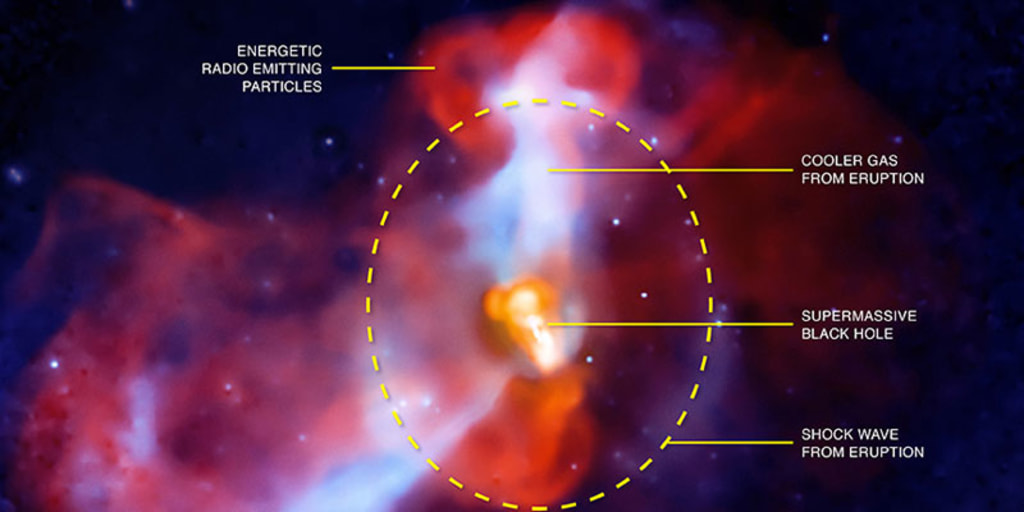
Galactic 'supervolcano' seen erupting with X-rays
Earth-Sun Relationships | National Geographic Society Any circle drawn around the Earth divides it into two equal halves called hemispheres. There are generally considered to be four hemispheres: Northern, Southern, Eastern, and Western. Grades 6 - 12+ 48 encyclopedic entry Sun Astronomy, Biology, Earth Science, Physics

Parts of the Sun - drag-and-drop, labeling activity in Slides | REMOTE LEARNING

The Sun

ASTRONOMY CH 11 Flashcards | Quizlet

Matahari Mars Bumi Venus Planet Tata Surya Seni Dinding Lukisan Kanvas Poster Nordic dan Cetakan Gambar Dinding untuk Dekorasi Ruang Tamu
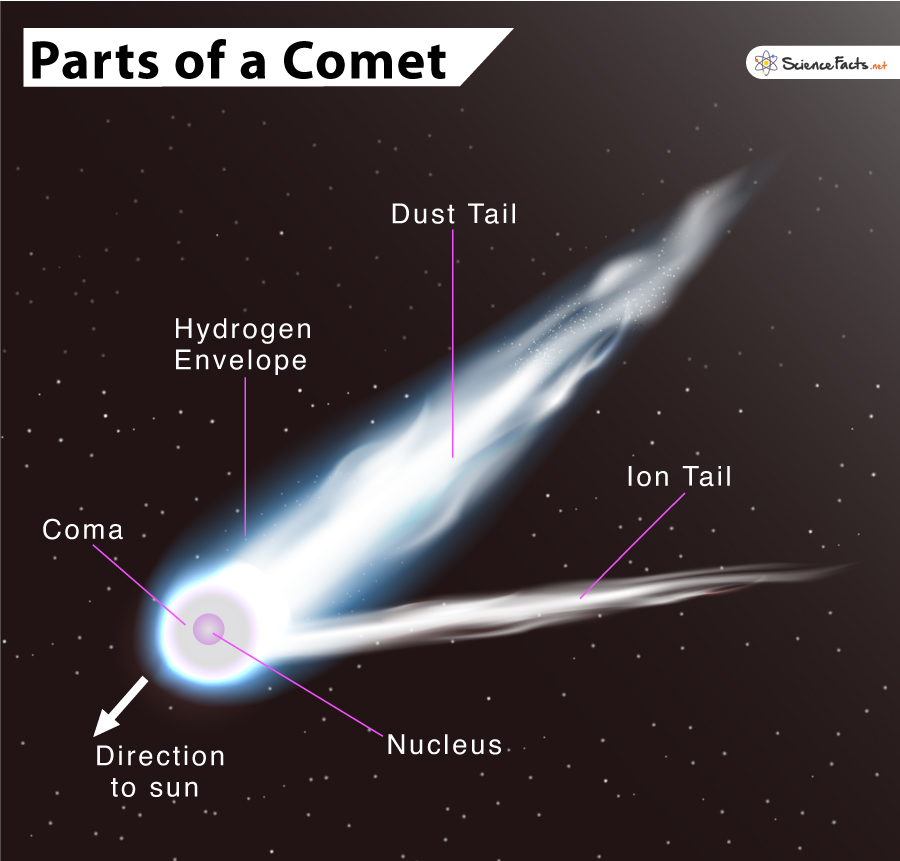
Parts of a Comet: Name, Composition, & Labelled Diagram

Lunar eclipse - Wikipedia
The Structure of the Sun

Types of Climate Zones worksheet

Label Parts Of The Sun Teaching Resources | Teachers Pay Teachers

What are the Parts of the Sun? - Universe Today
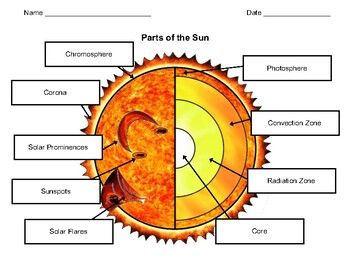
The Sun

C. What are the sun's layers? Label the parts of the sun ...
Parts of the sun - Teaching resources
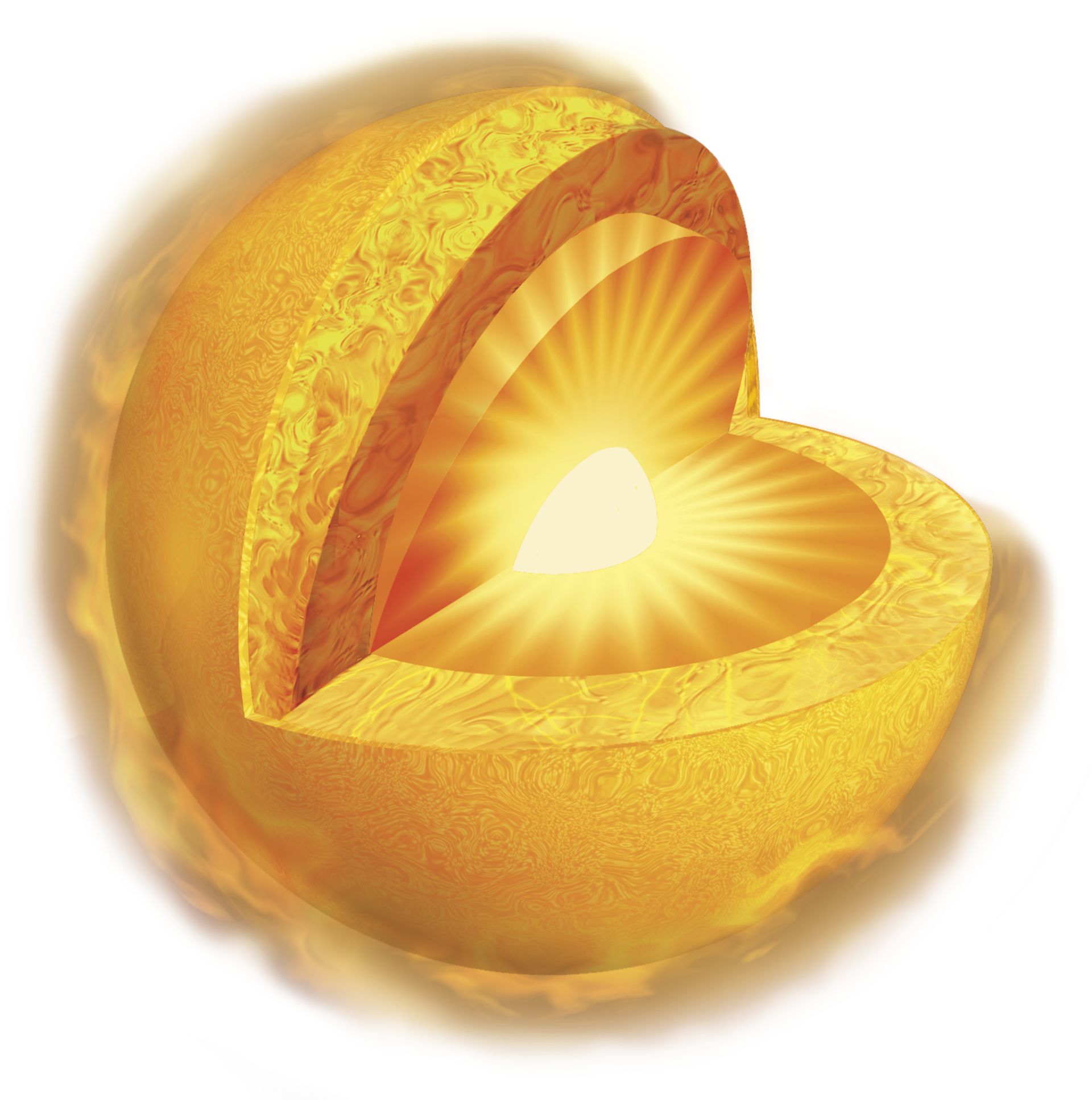
Layers of the Sun | Parts of the Sun | DK Find Out
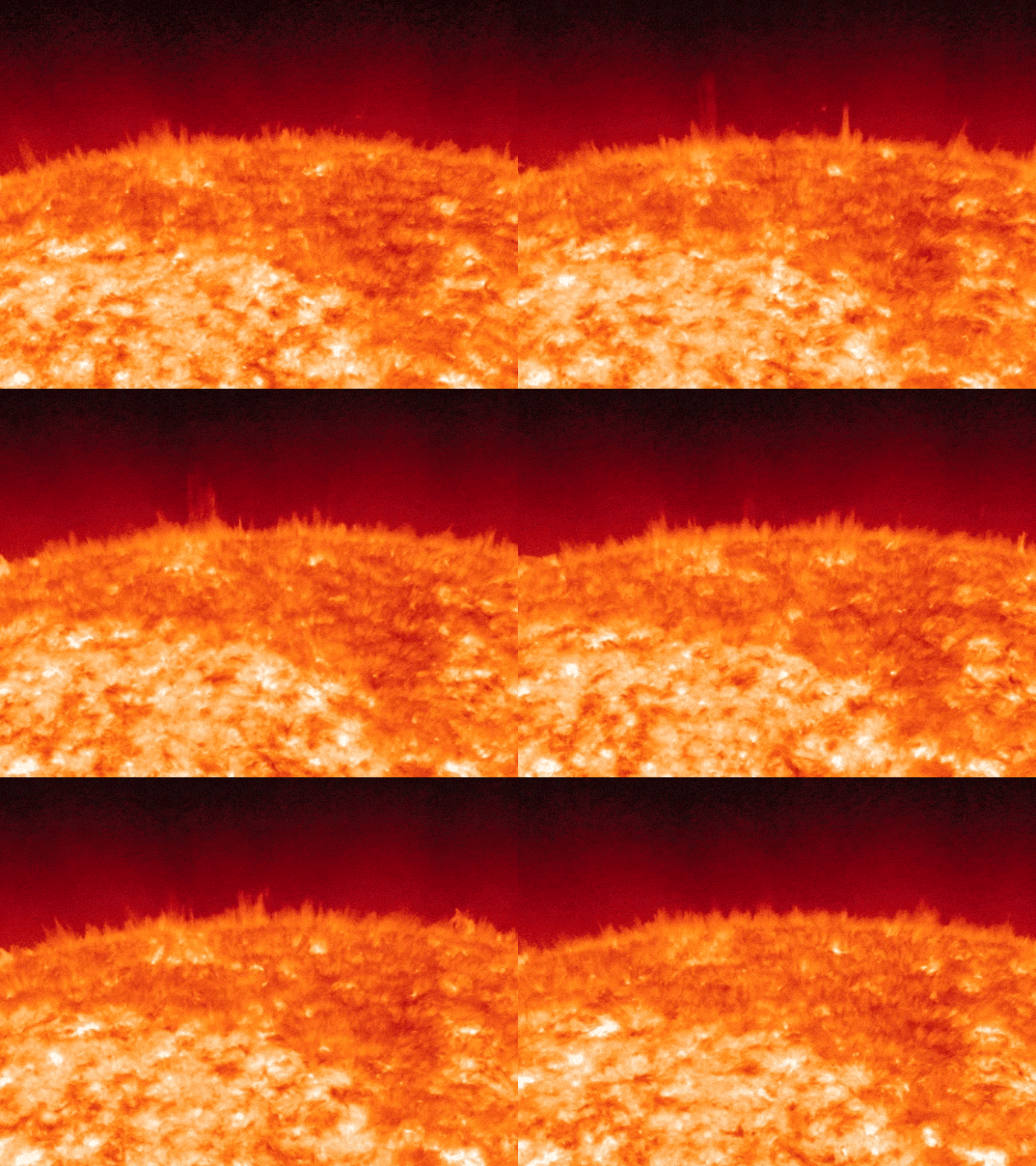
In Depth | Sun – NASA Solar System Exploration
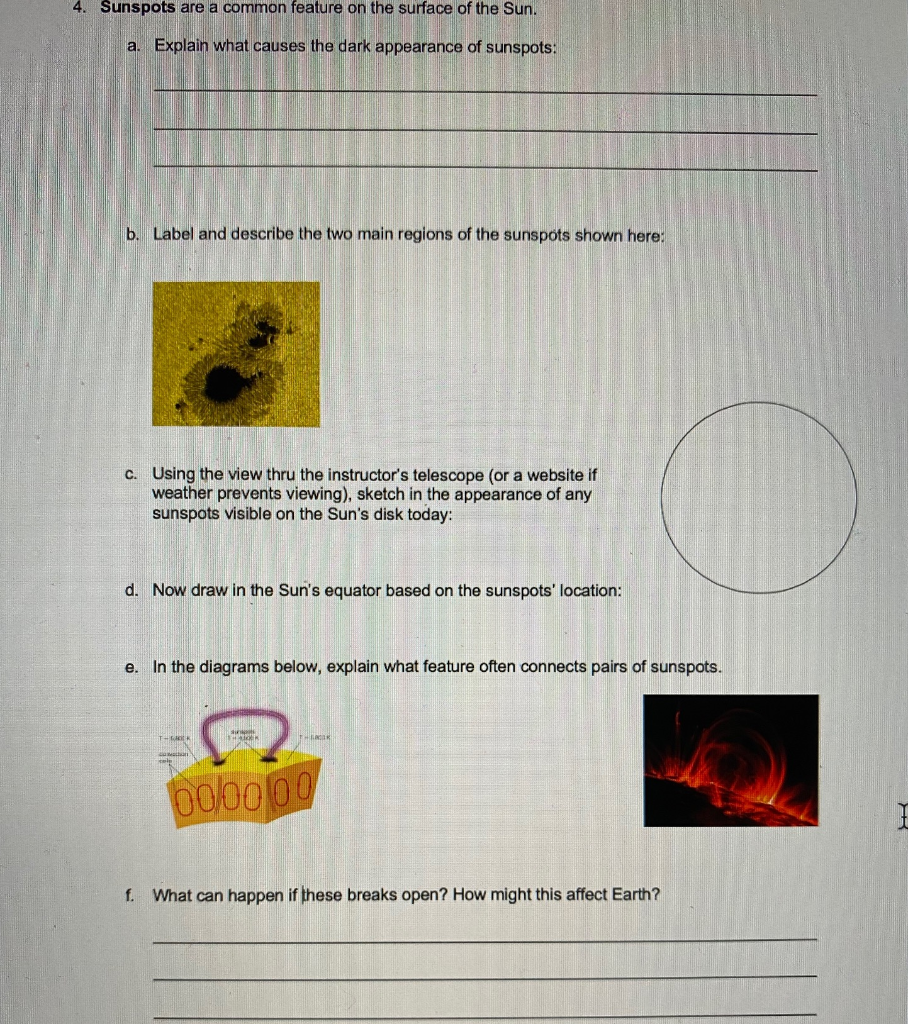
Solved 4. Sunspots are a common feature on the surface of ...

The Solar System - label. Interactive worksheet | TopWorksheets

Surface Engineering of Extracellular Vesicles through ...
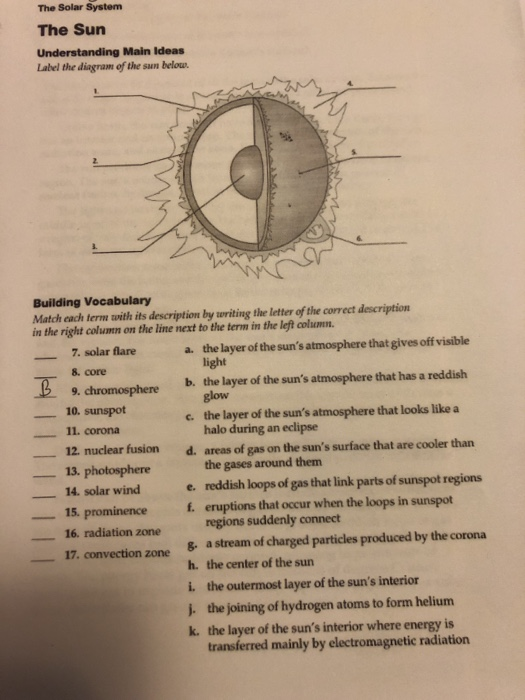
Solved The Solar System The Sun Understanding Main Ideas ...

The Structure and Composition of the Sun | Astronomy ...
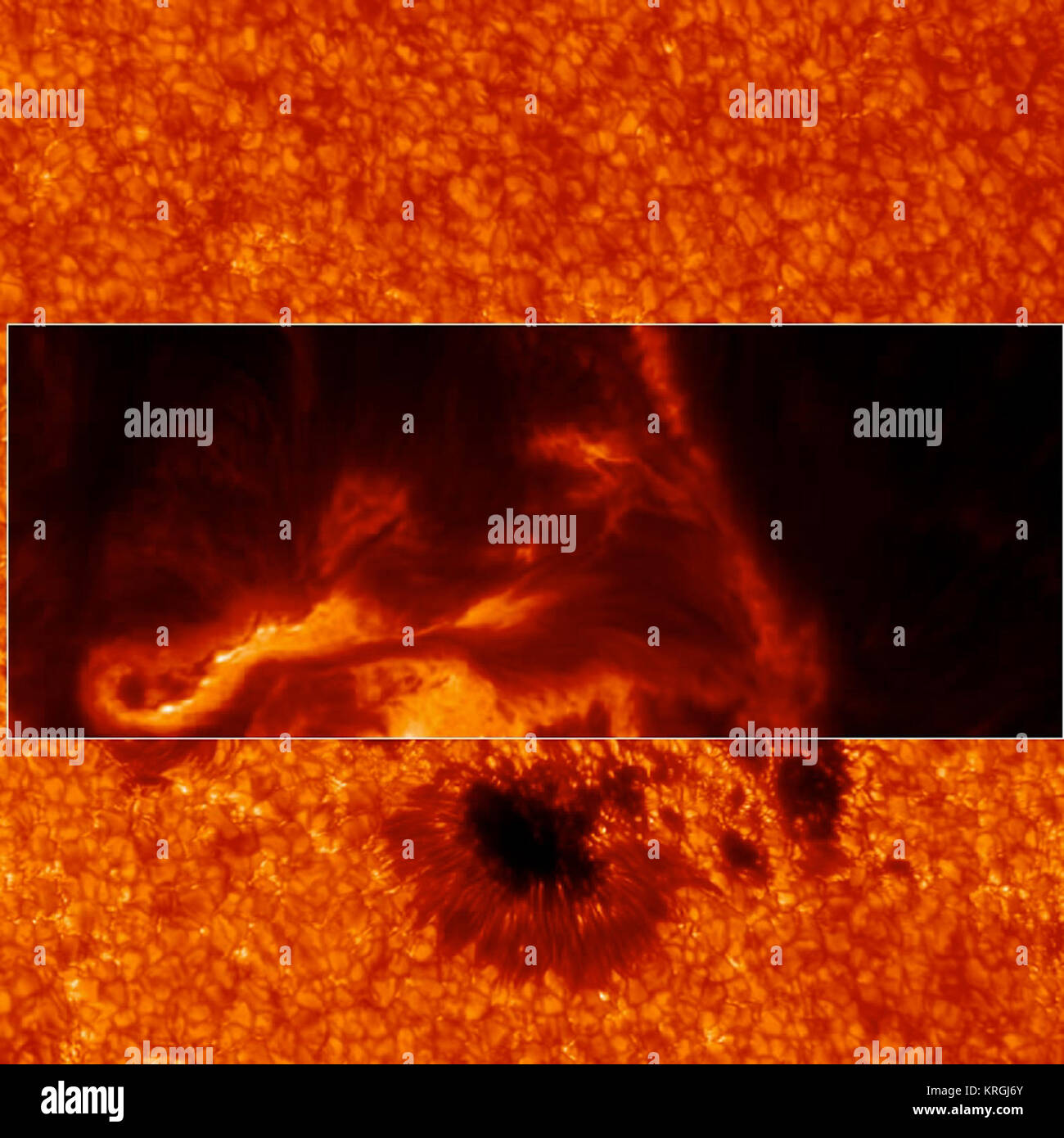
IBIS can focus in on different wavelengths of light, and so ...
Solar Eclipse 2017 Diagram
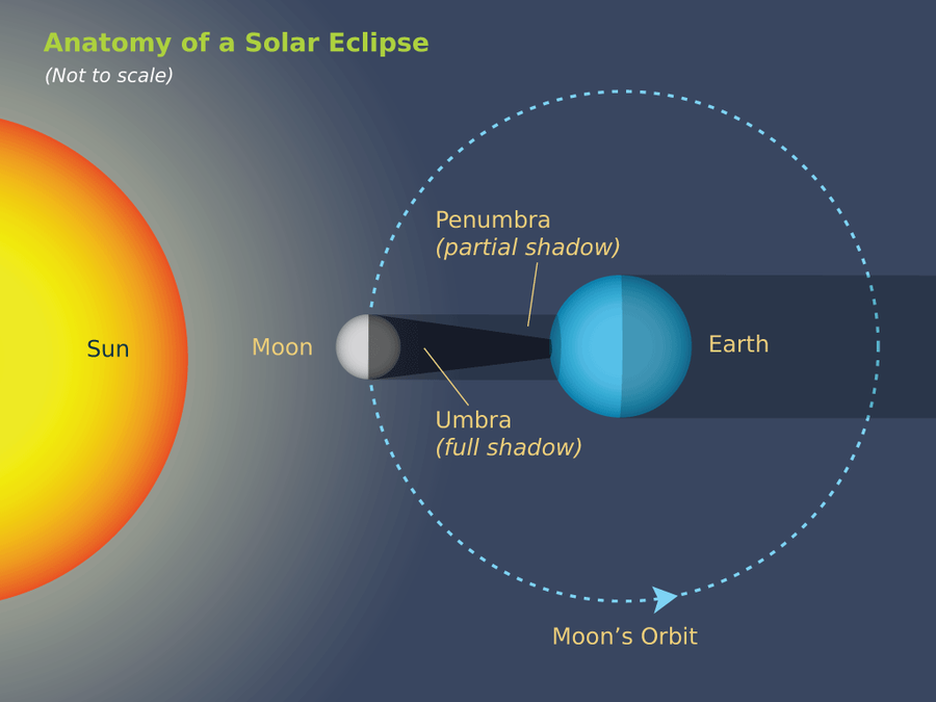
Solar Eclipse - 8TH-GRADE SCIENCE
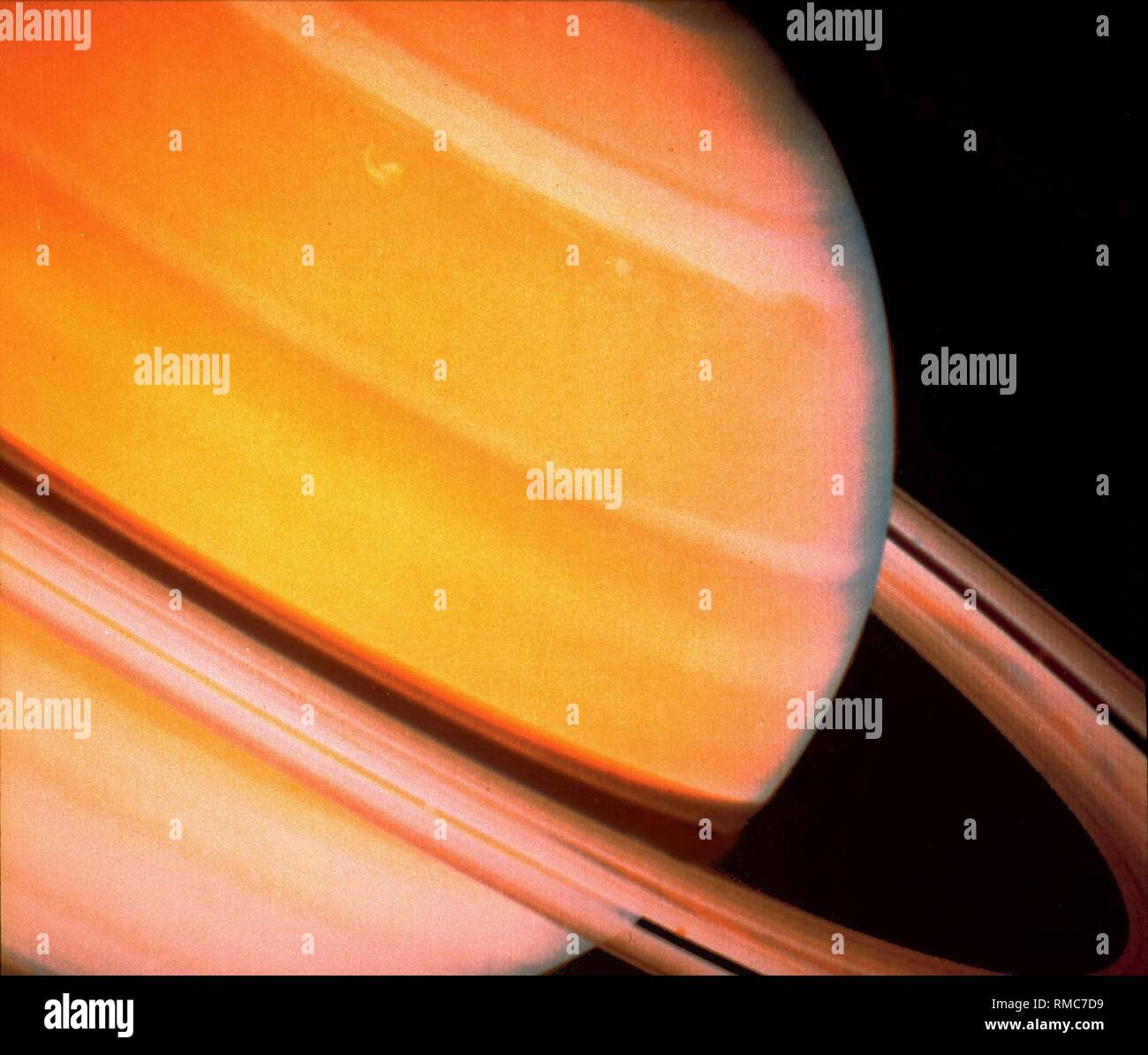
Second largest planet hi-res stock photography and images - Alamy

Identify the parts of the Sun labeled A, B, C, D, and E ...
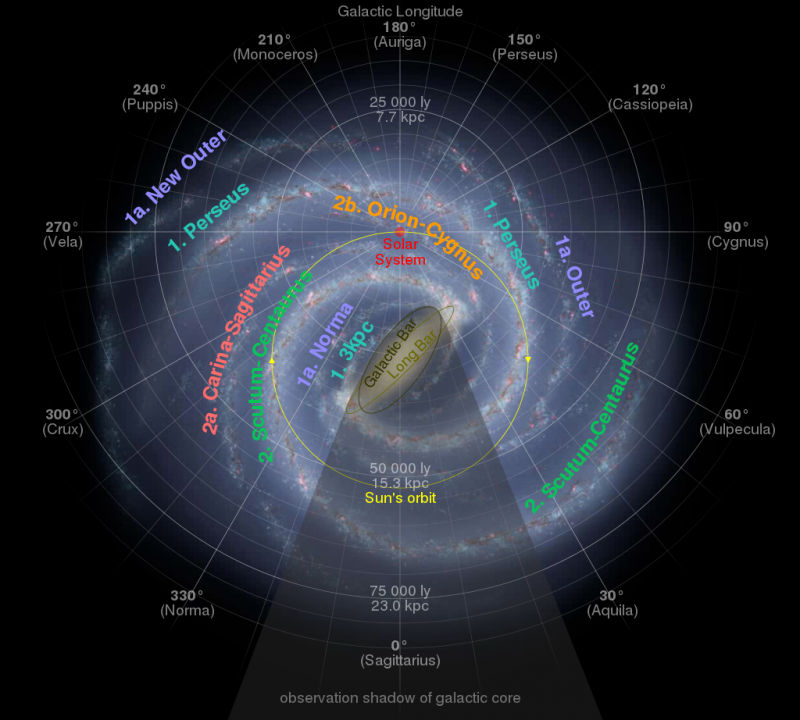
EarthSky | Which spiral arm of the Milky Way holds our sun?
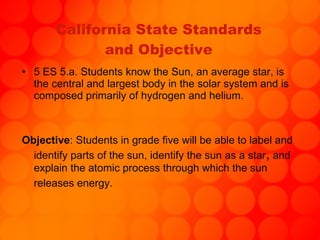
The Sun
What are the Parts of the Sun? - Universe Today

a) Threshold areas for the detection of sunspots with the ...

Characteristics of the sun worksheet
Print Map Quiz: PARTS OF THE SUN (parts sun)

Anatomy of the Sun | NASA

NASA MMS Mission Blog: About the Sun
sat_30_winter.gif
Parts of the sun with labels — plasma, geophysics - Stock ...

Label the Sun! | Astronomy Quiz - Quizizz
Post a Comment for "41 label the different areas of the sun."